
Published · EastCamp product team
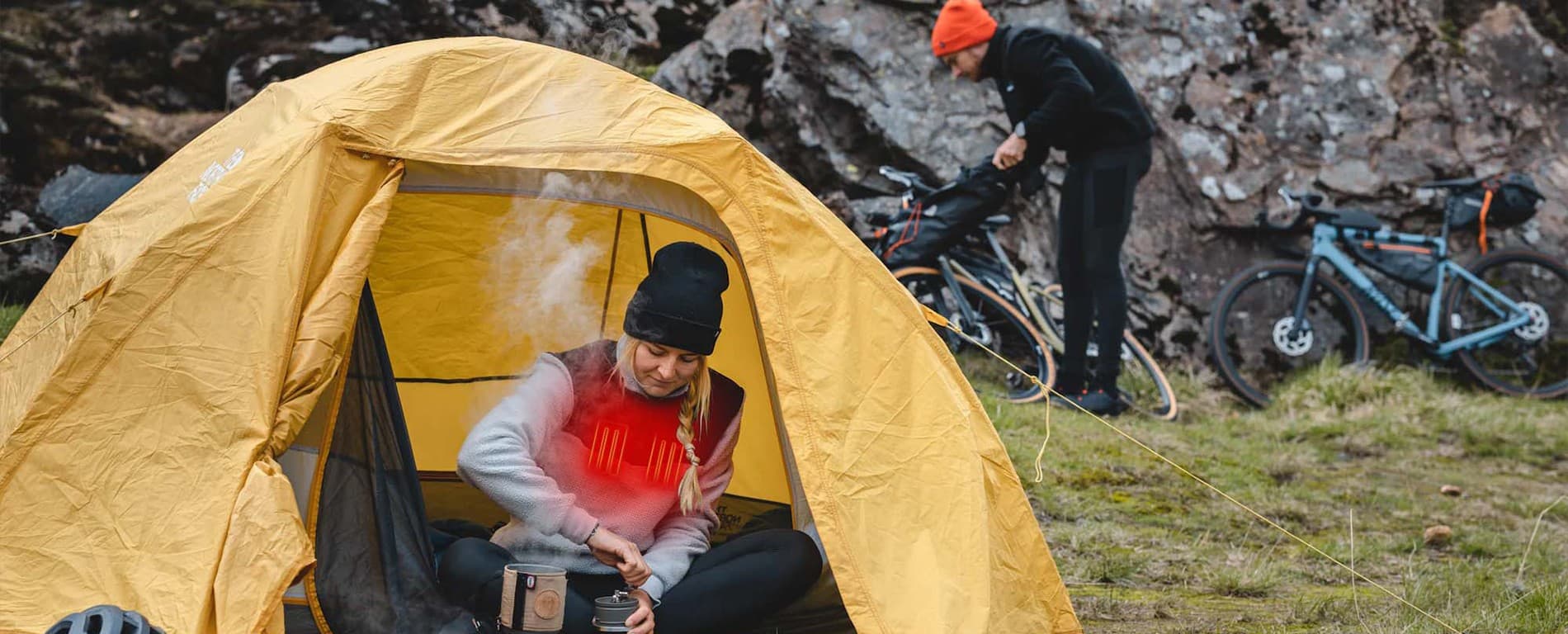
You take something out of the freezer at the supermarket and a few fingers turn chalk-white. If that sounds familiar, you know how awkward cold fingers can be in winter.
In this guide you will read how to stay as warm as possible in winter: with clothing, gloves, socks and, if that is not enough, heated products. We make heated clothing and do not give medical advice.
In short
Raynaud's phenomenon is a condition in which fingers or toes can turn white or blue in the cold. What you can do in practice to stay warm: keep your whole body warm, put on gloves and socks in good time, do not handle cold things with bare hands and, where needed, actively add warmth. Heated gloves and socks are a comfort aid in this, not a treatment. If you have health concerns, discuss them with your GP.
What is Raynaud's phenomenon?
Raynaud's phenomenon is a condition in which fingers or toes can turn white or blue in the cold. You will also hear the names Raynaud's disease or Raynaud's syndrome.
Causes, diagnosis and treatment are not our field. If you have health concerns, discuss them with your GP. Our products are not medical devices. What we do know is how to stay warm in the cold. That is what the rest of this guide is about.
How do you stay warm in winter?
Staying warm is easier than getting warm again. What helps in practice:
Keep your whole body warm. With a cold core, your hands and feet get cold even faster. Dress in layers, wear a hat and scarf and keep your trunk warm, for example with a heated vest.
Put your gloves on before you go outside. Even for short trips: to the car, getting the bike out of the shed. Mittens are warmer than fingered gloves, because your fingers share each other's warmth.
Do not handle cold things with bare hands. Take thin gloves to the supermarket for the chilled and frozen aisles, and hold cold cans or glasses with a napkin or your sleeve.
Think of your feet. Warm, dry wool socks, shoes that do not pinch and no wet feet. In a shoe that is too tight, no insulating layer of air is left.
Stay out of the wind and keep dry. Wind and wet carry warmth away quickly. A windproof, waterproof outer layer makes a big difference, especially on the bike.
Keep moving. Standing still in the cold cools you down quickly. Walking a lap or moving your arms and fingers keeps you warmer.
Add warmth when insulation is not enough. A thick glove only holds on to the warmth your hand already has. Heated clothing adds warmth. What to look for in gloves is covered in heated gloves for Raynaud's. For cold toes there are heated socks, which heat under the toes, or heated insoles for your own shoes.
Heated clothing: what you should know
Heated gloves and socks are a comfort aid against the cold, not a treatment and not a medical device. From our manuals:
- Talk to a doctor first if you feel heat less well in your hands or feet. Heated products are not intended for people who cannot feel heat properly.
- Choose a setting that is pleasantly warm, not hot. Check your skin during longer use and stop if you feel pain, redness or a burning sensation.
- Not while sleeping, and not together with other heat sources, such as a hand warmer inside your glove.
- Insoles not on bare skin: always wear socks with them.
- Mind the fit. A glove or sock that is too tight leaves no insulating layer of air and feels colder.
You will find the full safety instructions in the manuals.
Further reading
A broader overview of what helps with cold hands and feet is in cold hands and feet: causes and what helps. Looking for gloves? Browse the heated gloves, such as the Urban Mitten.
Frequently asked questions
- What is the difference between Raynaud's disease, syndrome and phenomenon?
- In everyday use these names are often used interchangeably. Only a doctor can assess what applies to you. If you have health concerns, discuss them with your GP. Our products are not medical devices.
- Do heated gloves help with Raynaud's?
- Heated gloves are not a treatment and not a medical device. They add warmth, so your hands stay more comfortably warm in the cold than with ordinary gloves that only insulate. What to look for when choosing is in our guide to heated gloves for Raynaud's.
- What helps if it is mainly my toes that get cold?
- Warm, dry wool socks, shoes with enough room for your toes and something insulating between your feet and a cold floor. Keep your core warm too. Heated socks or insoles add warmth under your toes; always wear insoles with socks, not on bare skin.
- Can I use heated gloves if I have reduced feeling in my fingers?
- Our manuals state that heated products are not intended for people who cannot feel heat properly. If you have reduced feeling in your hands or feet, talk to a doctor before use.